WHAT FARMHOUSE CHEESE REALLY MEANS
There is a lot of talk now about provenance, sustainability and knowing where food comes from. But for us, farmhouse cheese has never been a trend or a marketing idea — it is simply the way we have always worked.
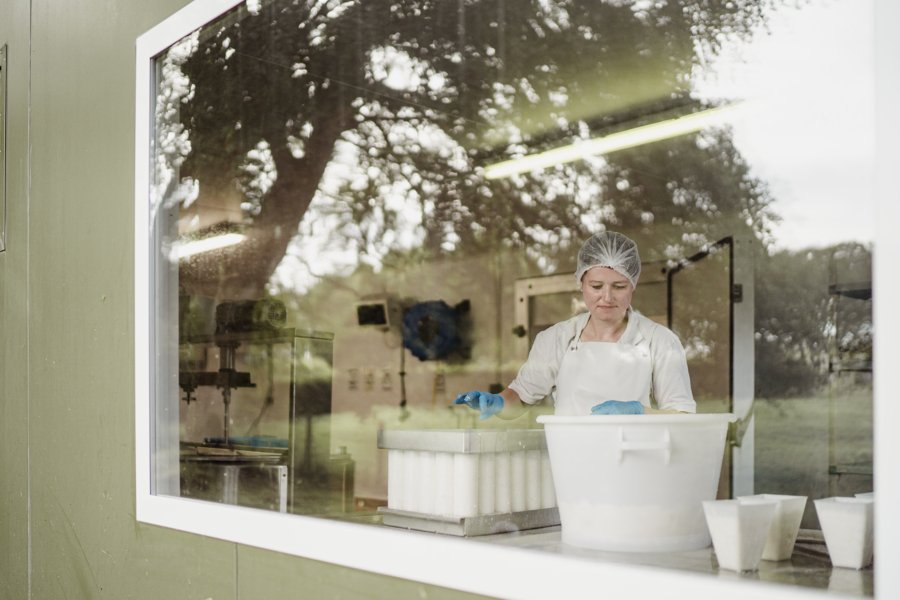
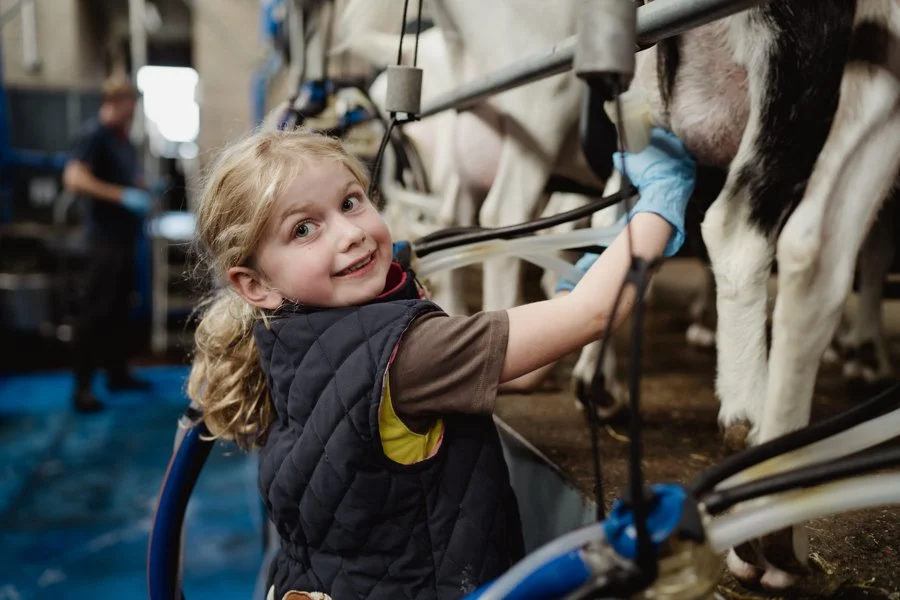
At Errington Cheese, the milk comes from our own flocks of sheep and goats, milked here on the farm every day. The cheeses are then made by hand in the dairy just a short distance away. That connection between the animals, the pasture and the cheesemaking is what farmhouse cheese really means.
Everything is still made by hand here, using methods that require judgement, experience and attention every single day. There is no shortcut for that. Cheesemaking on this scale is slow, physical work, but it also allows us to keep complete control over quality and character in a way that is increasingly rare in modern food production.
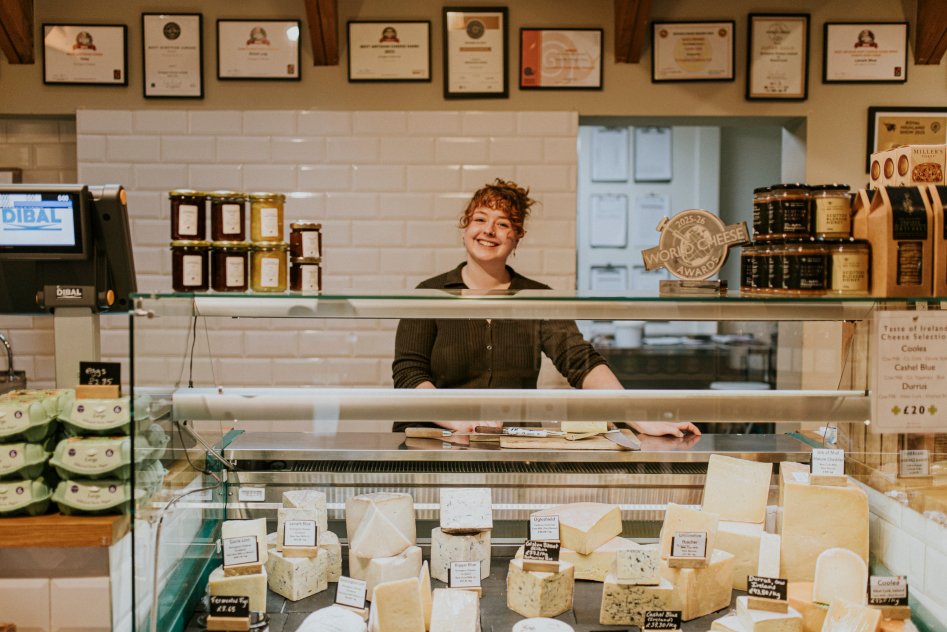
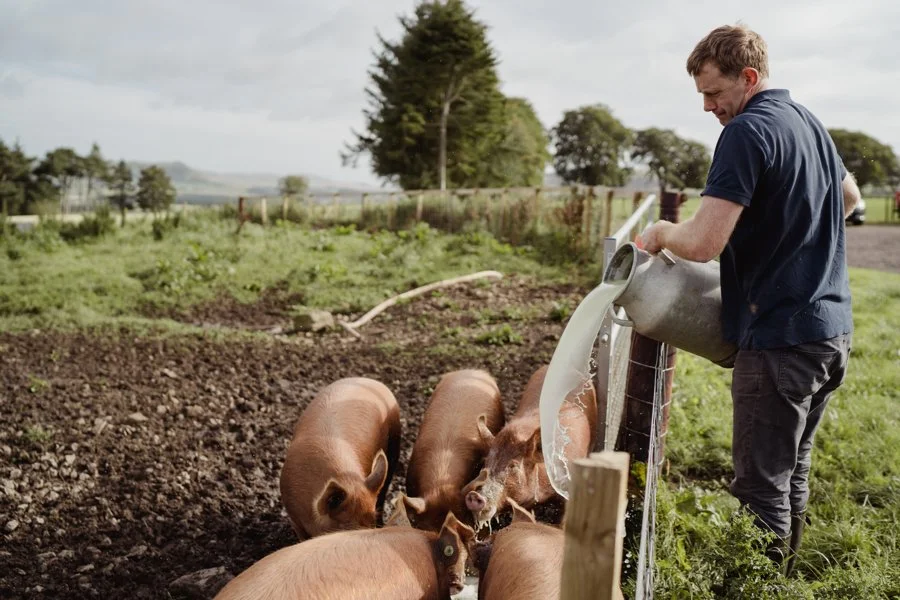
The farming itself is closely connected too. The whey left over from cheesemaking is used to rear our pigs, whose pork then appears in the food served at Errington’s Barn. The cheeses made in the dairy find their way onto the café menu, into the shop, onto cheeseboards and into dishes cooked by the kitchen. Nothing is entirely separate from anything else.
That way of working takes time and care, and it is certainly not the easiest way to produce food. But we believe it matters.
At a time when so much food is becoming increasingly industrialised and disconnected from the land, farmhouse cheese still carries the flavour of a particular place, season and way of farming. It supports skills that have been built over generations and keeps smaller-scale agriculture alive.
For us, that is worth protecting.